
Crafting
Crafting station recipes and material chains for RuneScape: Dragonwilds, from logs to planks, ore to bars and rune essence to Law Runes for travel.
Introduction
Crafting in Dragonwilds is a chain, not a menu. Raw logs become planks, ore becomes bars, bars become weapons and armour, and rune essence becomes the runes that power both spells and fast travel. Every link in that chain runs through a specific station, and the stations are themselves gated: the Crafting Table is the cheap core bench that produces the tools and intermediate parts every other station depends on, while the Smithing Forge and Anvil, Fletching Bench, Cooking Range, Rune Altar and Mystic Forge each open a different family of recipes. The Umbral Sands update rebuilt stations so that benches cover whole gear families instead of single item types, which makes progression smoother but also means older community guides describe a layout that no longer exists. This category maps the material chains end to end, from where copper, tin and iron sit in the world through to Adamant and Runite tier gear, and it covers the consumables that keep a base running, including potions, cooked food, compost and Plant Cure for diseased crops.
Station Reference and Material Chains
| Station | Primary Inputs | What It Unlocks | Materials Cost |
|---|---|---|---|
| Crafting Table | Logs into planks, plus cloth and intermediate parts | Tools, planks, cloth and the components every other bench depends on | Low. The first bench is the cheapest structure you will ever build. |
| Smithing Forge and Anvil | Ore smelted into bars, then bars shaped into gear | Melee weapons, armour and the Adamant tier | Medium. Ore volume is the real bottleneck, not the bench itself. |
| Fletching Bench | Logs and cloth turned into bows, arrows and bolts | Ranged weapons including Adamant Bolts | Low to medium. Arrows are cheap in bulk, finished bows are not. |
| Cooking Range | Raw food, herbs and cauldron ingredients for potions | Cooked meals, brewed potions and Plant Cure for diseased crops | Low per item, high in bulk. Batch cooking is far cheaper than singles. |
| Rune Altar | Rune essence gathered in the world | Earth, Fire, Law and Nature Runes for spells and travel | Medium. Law Runes gate fast travel, so the cost compounds over time. |
Crafting Stations Covered
Crafting Table
The core bench that every other station quietly depends on.
Smithing Forge and Anvil
Where ore stops being a rock and starts being a weapon.
Fletching Bench
The cheap route to ranged damage if you already chop trees.
Cooking Range
Food, potions and the Plant Cure that keeps a farm alive.
Rune Altar
The station that turns gathered essence into mobility and magic.
Mystic Forge
The endgame bench where rare upgrade materials finally pay off.
Core Mechanics
Crafting in Dragonwilds is built on a strict dependency order, and understanding that order is most of the skill. The Crafting Table comes first because it produces planks, cloth and intermediate parts, and every downstream station consumes those outputs in some form. Ore must be smelted into bars before the anvil can shape anything, logs must be converted before the Fletching Bench can use them, and Rune Altar recipes consume rune essence that you gather rather than craft. The Umbral Sands update reworked stations so each bench handles a whole gear family instead of a single item type, which removed a lot of pointless bench hopping but also invalidated older recipe guides. Alongside gear there is a consumables economy running in parallel: the Cooking Range handles meals, potions and Plant Cure, and Farming depends on compost and disease management to keep plots producing. Higher tiers are gated by materials rather than by a level number alone, so Runite gear is ultimately a question of where you can safely gather, not just what you can click.
Advantages
Crafting is where the survival loop and the RuneScape progression system meet, and it is the most satisfying part of the game for players who like logistics. Almost everything you use is something you made, which means upgrades feel earned rather than dropped, and material chains give gathering a purpose beyond filling a bar. The tier structure is legible: bronze and iron gear comes together quickly, steel and Yew fill the middle, Adamant and Red Dragonhide carry you through the mid game, and Runite, Masterwork Whips and Vestige uniques reward endgame content. Because stations cover whole gear families after the Umbral Sands rework, a single bench can serve you for dozens of hours instead of being obsolete the moment you move past its item type. Consumables add a second layer of value, since the Cooking Range produces meals, potions and Plant Cure, which between them keep both your character and your farm running.
Challenges
The friction in this system is concentrated in raw material supply. Ore, rune essence and quality logs are the real gates, and a player who has the levels but not the stock simply waits, which turns crafting into a mining or woodcutting problem rather than a crafting one. Bulk production is punishing too: a full set of gear or a large batch of arrows consumes a startling amount of ore or timber, and the gathering to support it takes far longer than the actual bench work. Recipe discovery is another soft spot, because the game does not hand you a complete public recipe list, so community guides fill the gap and those guides go stale quickly. The Umbral Sands station rework is the clearest example, having reorganised benches around gear families rather than single item types, which means a guide written before that update may send you to a bench that no longer makes what you want. Finally, durability and repair costs mean even finished gear keeps demanding materials over time.
Frequently Asked Questions
How do I make planks, and what are they used for?+
What is the fastest way to reach Adamant tier gear?+
Can I repair my gear, or do I have to craft a replacement?+
How do I stop my crops from dying, and what does compost do?+
Quick Tips
Build the Crafting Table before anything decorative. It sits at the bottom of the entire dependency chain, producing the planks, cloth and intermediate parts that every other station consumes, so a base without one is a base that cannot progress. The moment it is standing, make a spare hatchet and pickaxe so a death or a durability break does not force a naked walk back to your old gear. Only after that should you think about walls, roofs or furniture, because a pretty shelter that cannot produce a plank is just a very expensive tent.
Keep a standing buffer of planks and bars. Crafting stalls are almost always supply problems rather than level problems, and the specific failure mode is discovering halfway through a recipe that you are six planks short. A chest beside each bench holding a modest stock of planks, bars and cloth means an idea can become a finished item in one sitting instead of a two-day detour through the forest. Refill the buffer whenever you pass the bench rather than waiting for it to run dry mid project.
Smelt and cook in batches, never one at a time. The Forge and the Cooking Range both reward throughput, and single-item crafting burns time on interface work that a batch would amortise away. Load the forge with everything you can smelt, queue a full stack of food at the range, and use the waiting time to sort storage or plan your next build. This is also the cheapest way to avoid burnt food, since a batch rhythm keeps you paying attention instead of walking away between individual items.
Decide your upgrade target before you spend rare materials. Power Level shards and Ascension Cores at the Mystic Forge are not casually farmable, and a careless upgrade can leave you short of the materials for the piece you actually wanted. Look at what the next vault or raid demands, check whether your bottleneck is damage, survivability or mobility, and spend accordingly. If you are unsure, hold the materials. There is no penalty for sitting on a Core, and there is a real penalty for wasting one on a sidegrade.
Do not ignore Artisan just because it sounds passive. Durability loss is a recurring tax on every piece of gear you own, and Artisan directly reduces it while also unlocking Superheat, Magical Mending and the armour mannequin. In a game where dragons and raids attack your base and your equipment wears down during ordinary gathering, cutting that tax is a genuine long-term saving in materials and repair trips. Levelling it alongside Smithing is far more efficient than treating it as an afterthought once your repair bills have already piled up.
Featured

RuneScape: Dragonwilds Blightwood: Bows, Armor, Staffs & Potions
Harvest RuneScape: Dragonwilds blightwood to craft bows, armor, and staffs, then brew every potion with the right ingredients and recipes for combat buffs.

RuneScape: Dragonwilds Crafting Guide: Stations & Fast Levels
Master RuneScape: Dragonwilds crafting guide basics — every crafting station, the best recipes, and progression tips to unlock top-tier gear for 1.0 content.
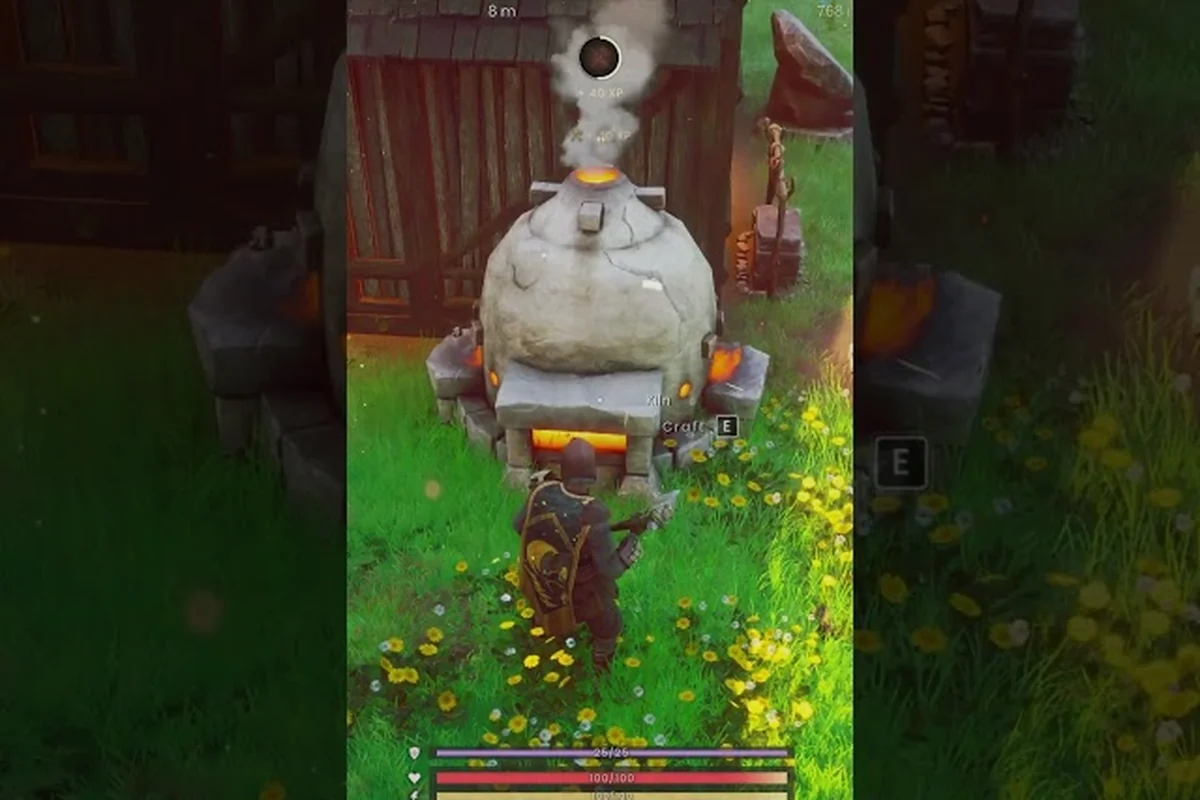
RuneScape: Dragonwilds How to Make Hard Leather & Smelt Bars
Follow this RuneScape: Dragonwilds how to make hard leather walkthrough to gather soft fur, spin wool thread, and smelt iron, gold, and adamant bars for crafting.
All Articles

RuneScape: Dragonwilds Smithing Anvil: Planks & Stone Blocks
Build and use the RuneScape: Dragonwilds smithing anvil alongside the fletching bench, rune altar, and mystic forge to craft planks, stone blocks, and base upgrades.

RuneScape: Dragonwilds How to Get Rune Essence & Logs
Find the best RuneScape: Dragonwilds how to get rune essence spots, farm anima bark nearby, and stock up oak, willow, maple, and yew logs for Runecrafting altars.
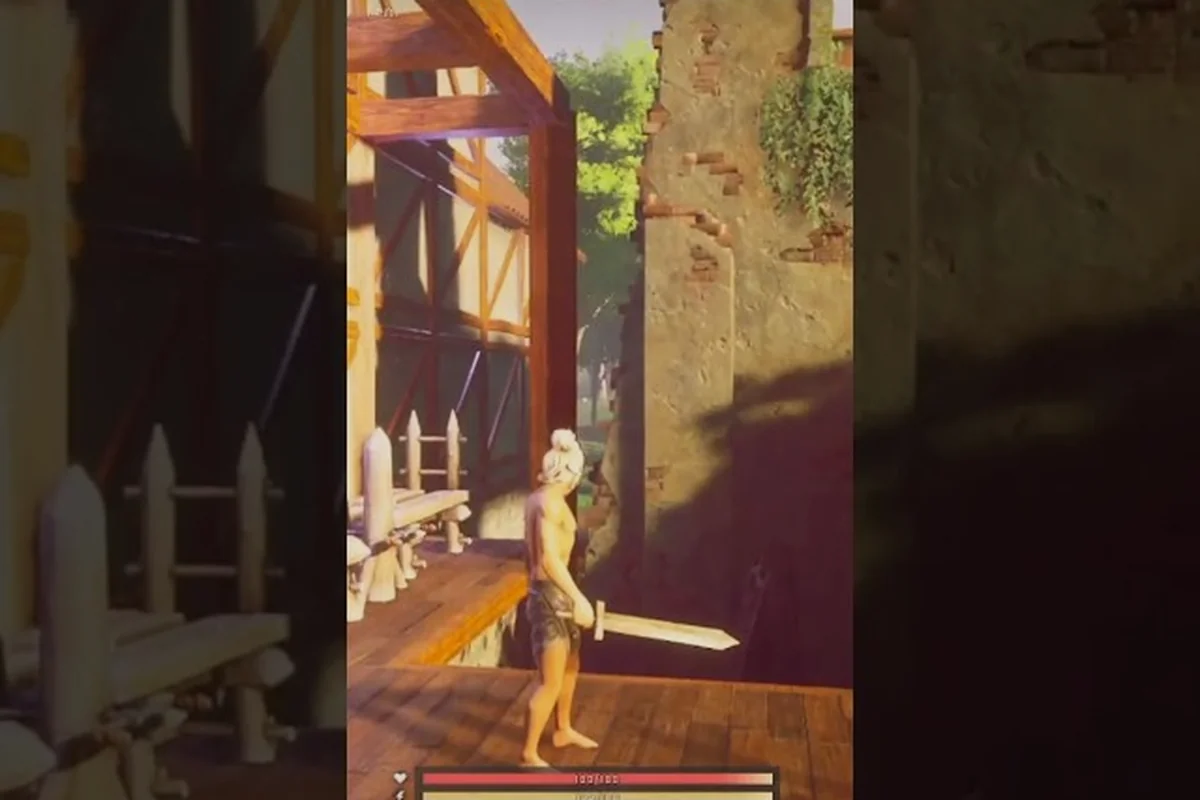
RuneScape: Dragonwilds Weapon Poison: Recipes, Food & Repair Tips
Brew every RuneScape: Dragonwilds weapon poison variant, cook top food recipes without burning, and learn gear repair plus crafting progression shortcuts.
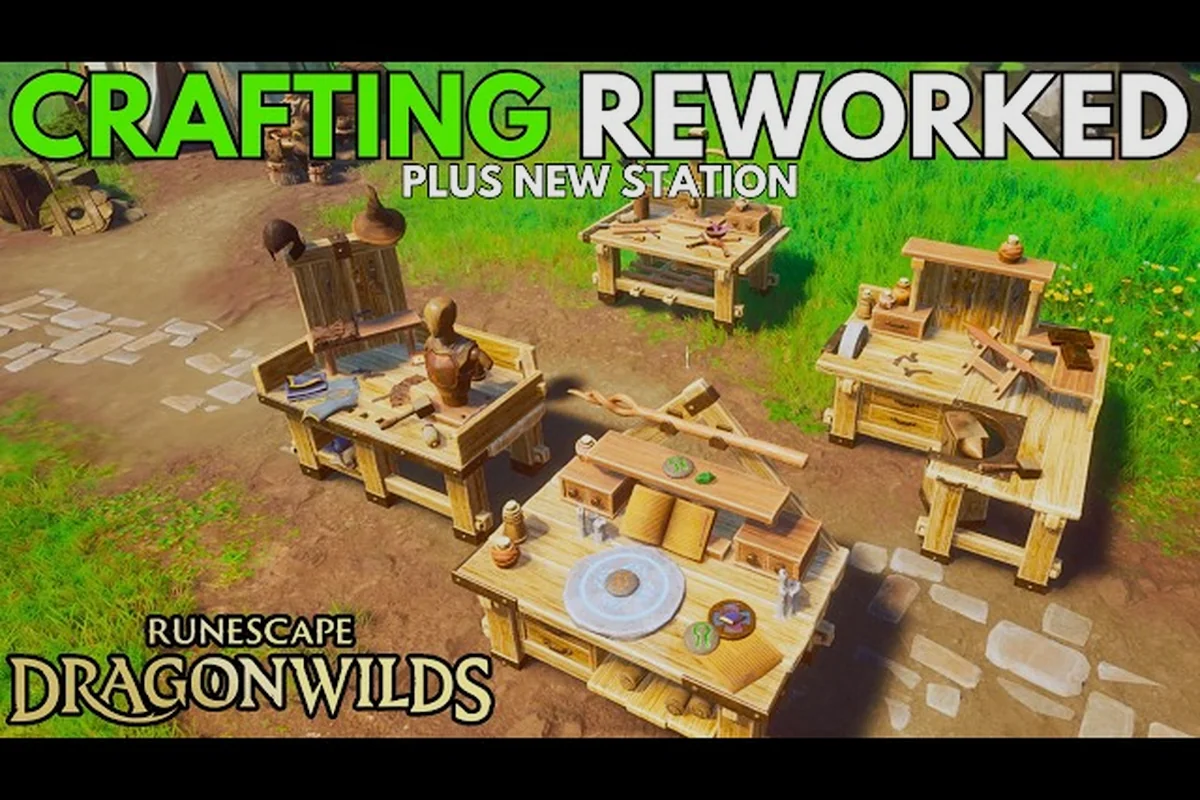
RuneScape: Dragonwilds Runite Bar: Ore Spots & Smelting
Track every RuneScape: Dragonwilds runite bar farming spot, from copper and tin starter nodes to iron, coal, and gold ore locations needed for endgame smelting.